Your Family Deserves Food Grown Without Compromise
Organic isn't a trend—it's a promise to you and the next generation. Learn how you can take action and support the farmers who produce food with compromising your health.
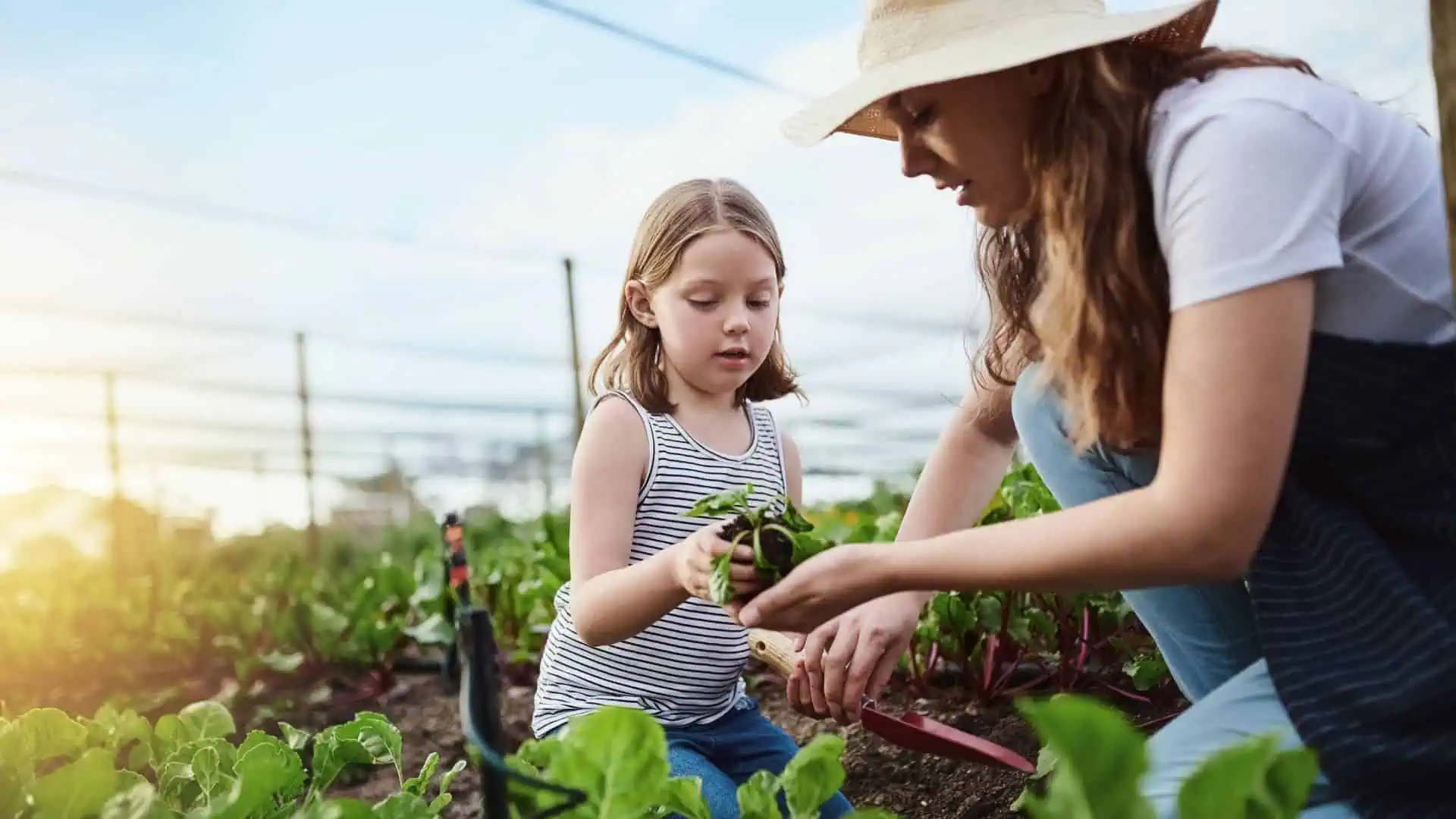
What is certified organic and why does it matter?
Organic certification is regulated and enforced so you can trust the label.
Organic is Protected by Law: National Organic Program (NOP) and the Organic Foods Production Act. It’s not perfect, but it’s the highest standard of clean food production available to U.S. families.
Certifiers & Traceability
Organic farms and processors are audited every year by a third-party certifier. An inspector visits each organic farm each year to make sure they abide by organic standards. Certifiers are independent organizations accredited by the USDA annually.
Organic Oversight
The USDA’s National Organic Program develops and enforces the standards for organic crops, livestock, and agricultural products
The organic label requires that all ingredients must also be organic, but sometimes organic options aren’t yet available in sufficient quantities (or don’t exist). An example is vitamins and minerals that the Food and Drug Administration (FDA) requires to be added to milk. To address this need, the NOP has an official list of allowed non-organic ingredients. The process to add something to this list is extensive and transparent.
The National Organic Standards Board (NOSB) meets twice a year to review the list and make recommendations for changes based on advancements in farming and food science and comments from farmers, agriculture organizations, and consumers. Organic is all about continual improvement, public involvement, and transparency.
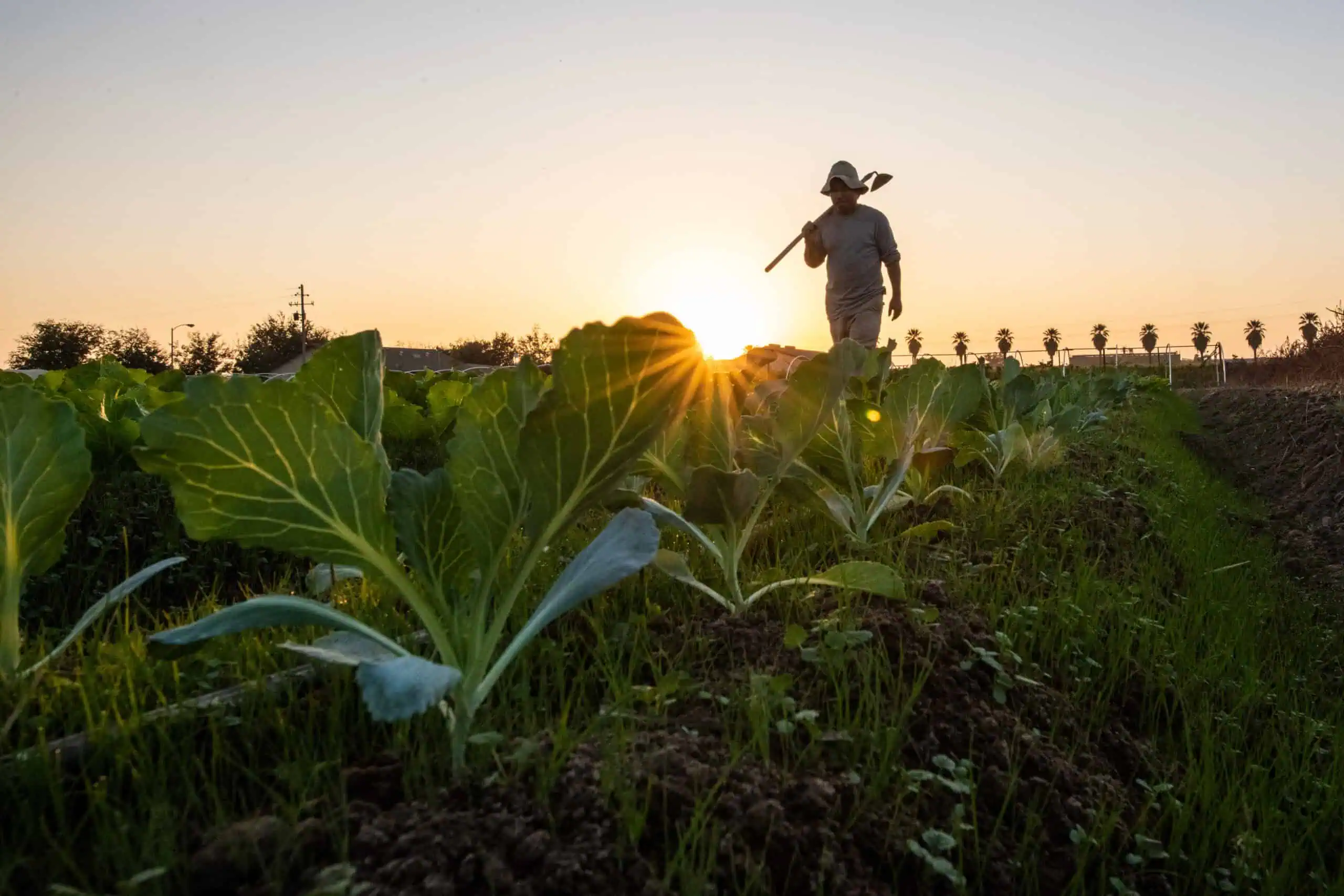
Organic farmers need your support to keep these standards strong. Take Action!
Why organic farmers need your support?
Organic farmers are fighting an uphill battle.
This is a battle that requires consumer advocacy now more than ever. While corporate agriculture spends millions of dollars lobbying against stringent organic standards and regulations that would level the playing field, small family farms lack the financial resources and political clout to counter this influence effectively.
The situation becomes even more challenging when considering that consumer demand for organic food is outpacing the growth of organic farm acreage, creating market pressures that often favor large-scale operations over sustainable family farms. These small organic producers simply cannot compete with Big Agriculture’s massive marketing budgets and corporate food companies’ ability to dominate shelf space and consumer awareness.
Without vocal consumer support, advocacy for fair organic policies, and conscious purchasing decisions that prioritize local and small-scale organic operations, these environmentally responsible farmers risk being pushed out of the market entirely, potentially undermining the very food system that prioritizes health, sustainability, and environmental stewardship.
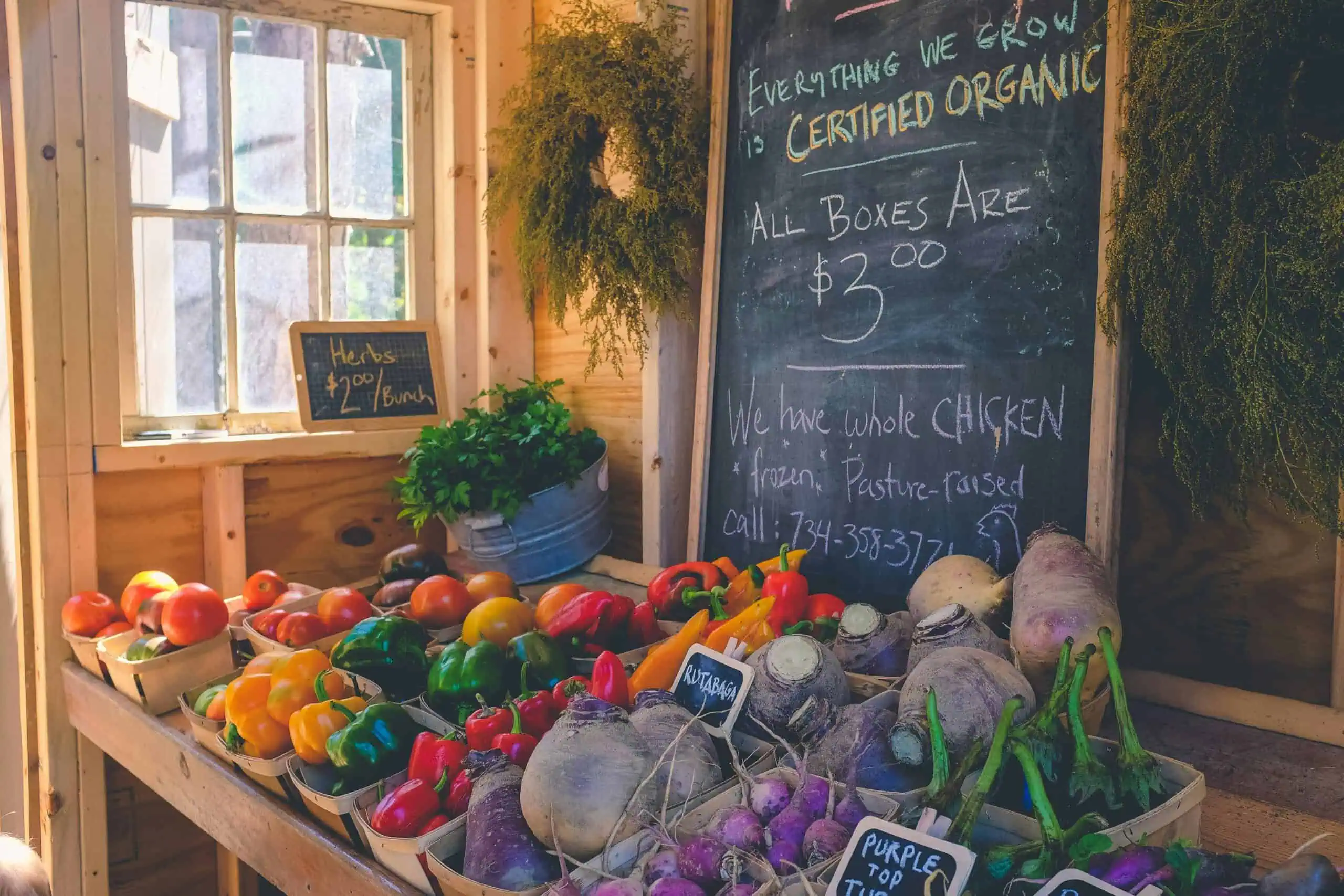
Sales of organic products reached $71.6 billion, more than doubling overall marketplace.
—Organic Trade Association (OTA)
Organic Myths & Truths
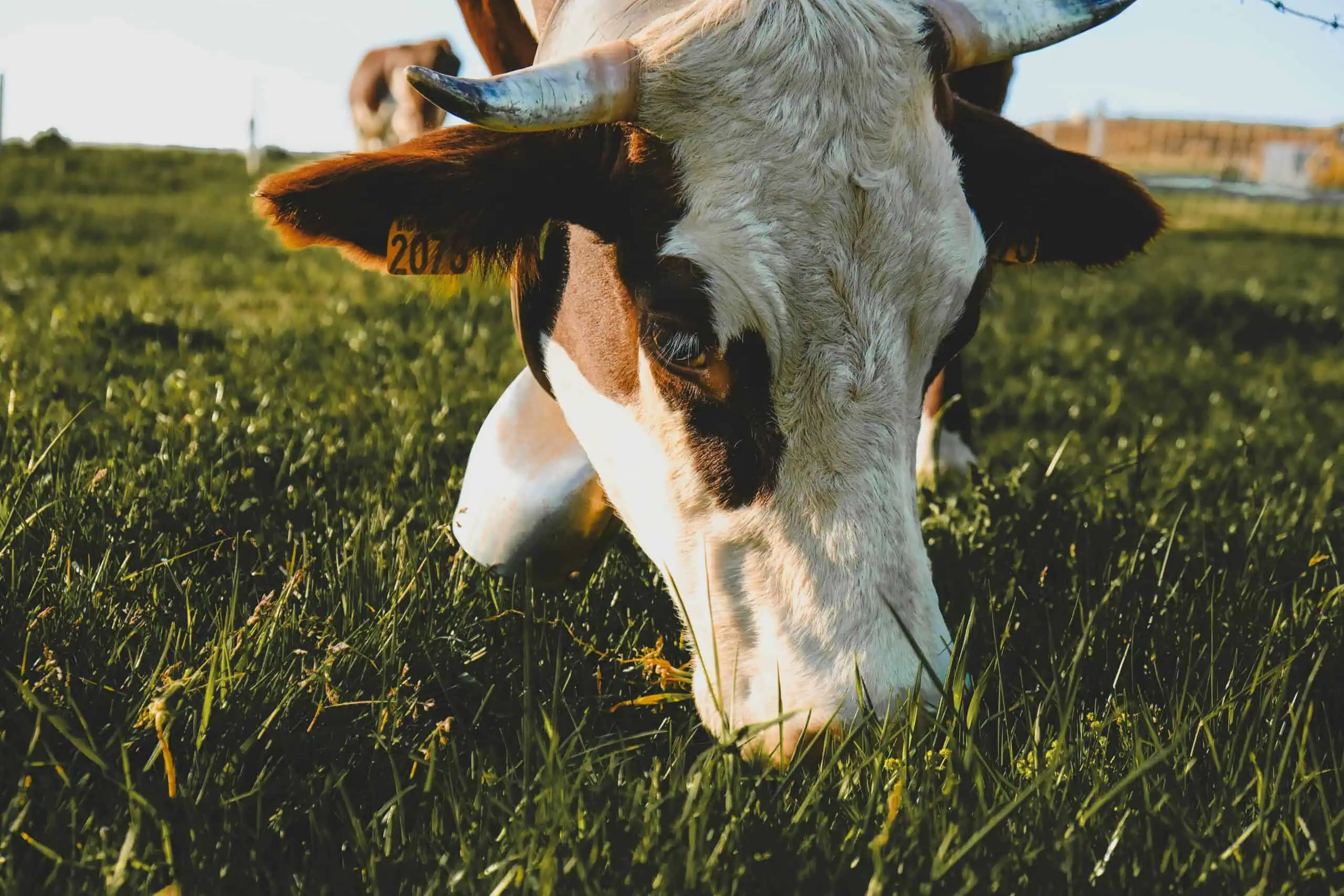
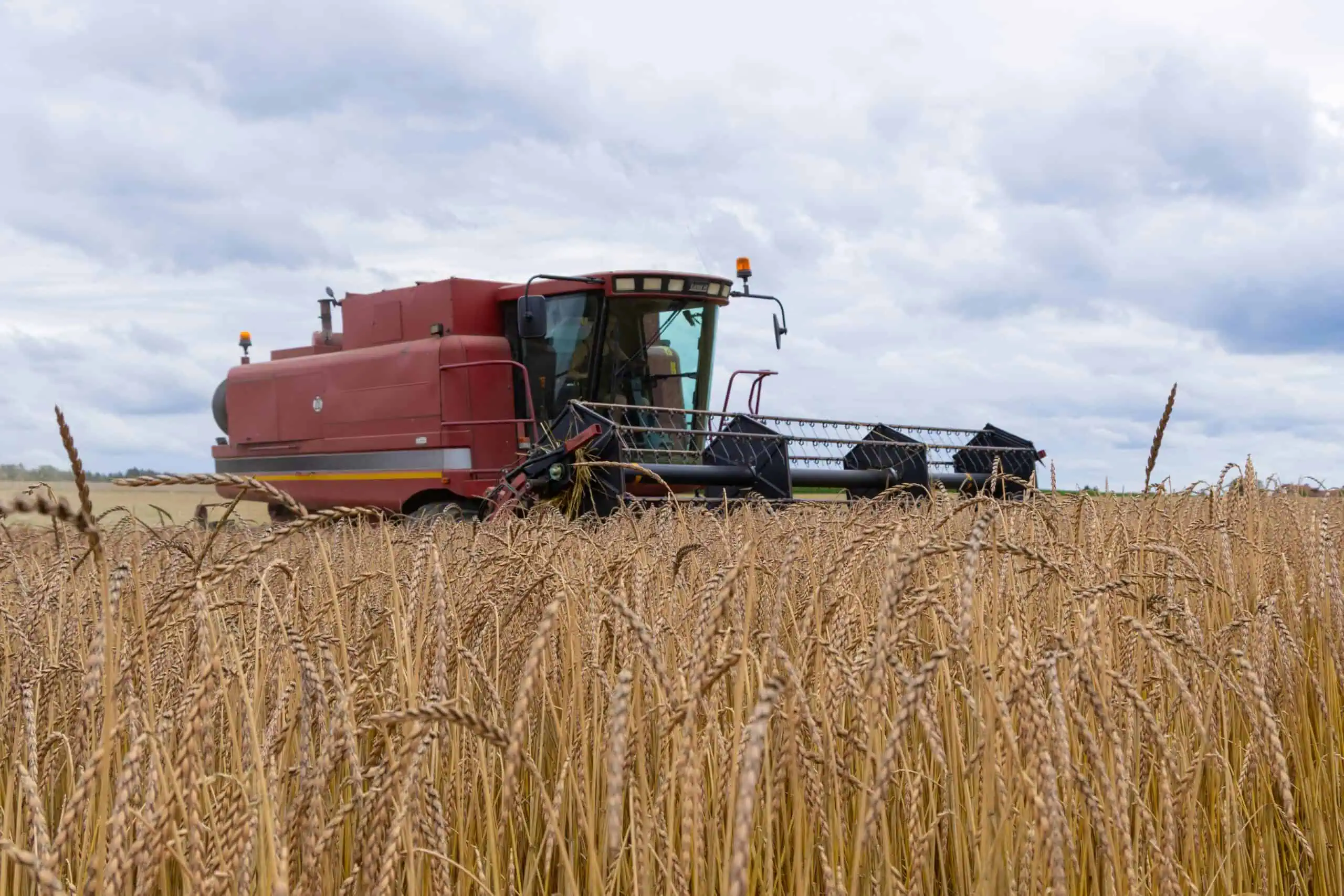
MYTH: It’s just marketing to make you pay more.
TRUTH: The claim that organic is “just marketing” ignores the reality of rigid certification requirements, including a mandatory three-year soil transition period, regular inspections, and strict adherence to standards to earn certification (and pay for!) and an annual inspection to maintain, while conventional farms face no such systematic oversight.
MYTH: Organic Still Allows Pesticides
TRUTH: Similarly, the myth that organic farming allows pesticides misses the crucial distinction: while organic farms may use naturally-derived pest management tools, certified organic products strictly prohibit synthetic pesticides and herbicides, artificial fertilizers, GMOs, growth hormones or antibiotics in livestock, and artificial preservatives, colors, or flavors in processed foods.
MYTH: Regenerative is Better Than Organic
TRUTH: “Regenerative” is a trendy word in many aspects of consumer life, but the positioning of regenerative agriculture as superior to organic misrepresents reality. Organic is regenerative. Organic principles have always prioritized healthy soil as the foundation of sustainable farming, essentially practicing regenerative methods before the term became popular. Unlike “regenerative,” which lacks a standardized definition and has already been co-opted by corporations for marketing purposes, organic certification provides a transparent, legally-binding framework that consumers can trust.
MYTH: Organic Food is Healthier
TRUTH: Emerging research suggests a promising connection between organic agriculture’s focus on soil health and the nutritional density of crops, particularly regarding micronutrients, antioxidants, and beneficial compounds that support human health. The complex relationships between soil microbiomes, plant nutrition, and human wellness represent a frontier where organic farming’s regenerative practices may indeed contribute to food’s nutrition in ways current studies haven’t fully captured. Unfortunately, comprehensive long-term research examining these connections remains underfunded in the U.S., where agricultural research dollars predominantly support conventional farming methods, leaving critical research about organic largely unexplored.
3 Ways To Be An Organic Champion
Use your voice to support organic food & farms
Sign up for alerts from OFA when organic farmers need you to use your voice to tell members of congress and other leaders to protect and promote organic policies.
Become an OFA supporter member
OFA is a member-based organization led by organic farmers and supported by consumers and advocates like you. Become a member now and join us as we work toward an organic future.
Power the movement and become a recurring donor
Help organic farmers with a recurring yearly donation to provide a 1:1 technical assistance call for a farmer or help us connect farmers to peers and resources to support their farm.
Not ready to get involved?
Shop certified organic whenever possible.
When you see the USDA Certified Organic seal, you’re looking at food that has undergone a rigorous certification process, which takes years, and where the farmers who grew or raised that food were held to strict standards. Learn about what you may see on a label the grocery store here.
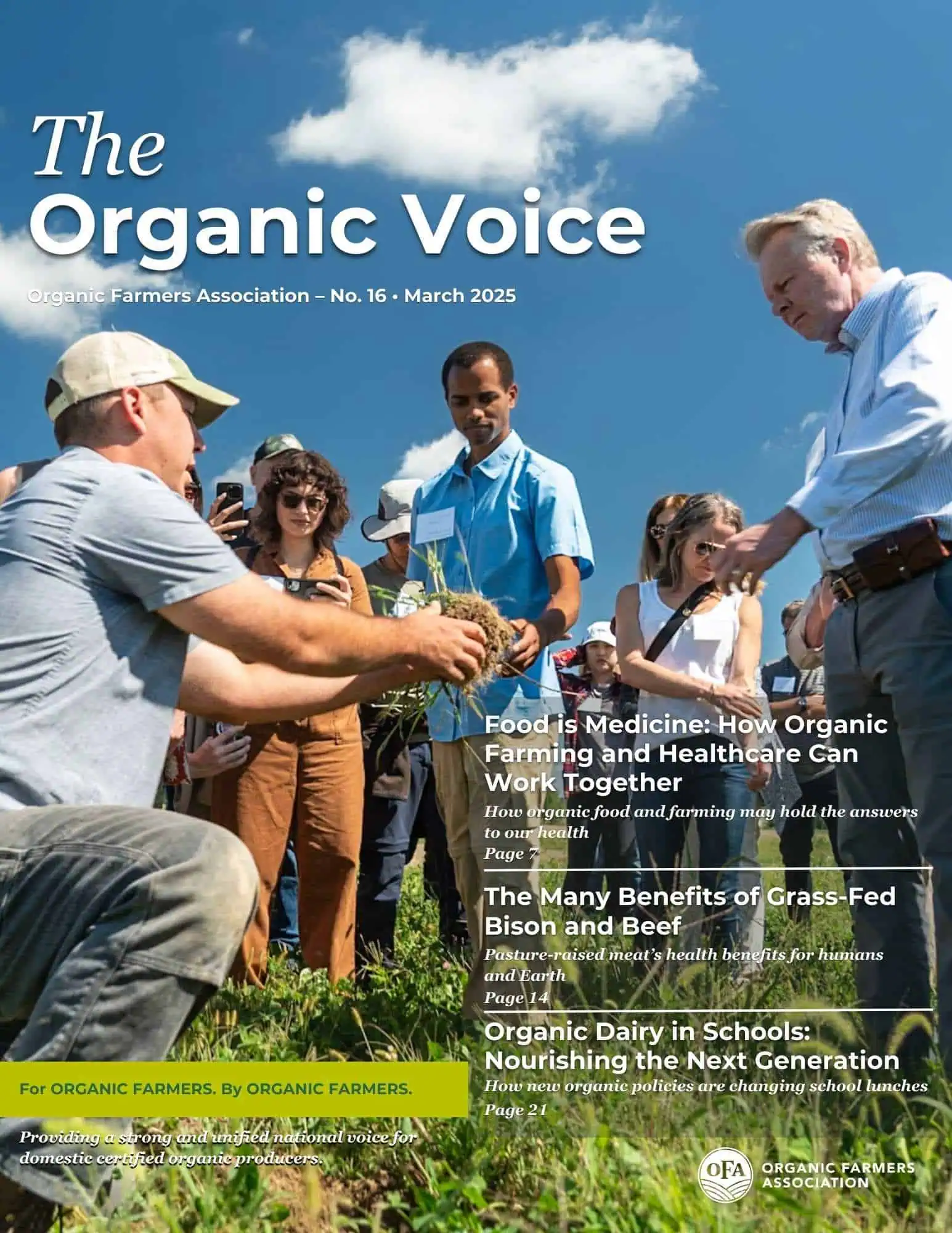
Read OFA’s Food As Medicine Issue of The Organic Voice
The concept of food as medicine isn’t new, but it’s getting new life as a trending topic. This issue of The Organic Voice centers on food as medicine. In our articles we explore how and why organic farming and food could be the key to improving our health, examples of how some programs and policies are already making a difference, and how you can incorporate more food as medicine into your life. And don’t skip the magazine’s featured article on the topic including interviews with physician farmers.
Questions about organic?
Reach out to our team of farmers and advocates at helpline@organicfarmersassociation.org.